
Wholesale fashion distribution can help luxury brands expand their retail presence, enter new markets, and drive growth, but increased distribution also brings with it increased risks, including reduced exclusivity and brand dilution.
The most successful luxury brands know that in order to avoid these challenges, wholesale distribution must be treated more like brand strategy than just a sales strategy.
This article will explore the key strategies luxury brands use to maintain exclusivity while scaling wholesale fashion distribution and include tips to help you implement them successfully.
The Exclusivity Challenges of Wholesale Growth
Much of the appeal of luxury brands lies in their balance of scarcity and exclusivity, but wholesale growth can easily tip the scales.
If wholesale growth is not managed correctly, it can potentially limit the control a brand has over pricing, brand presentation, and retail environment. In some extreme cases, this can even lead to excess inventory reaching unauthorized discount channels.
It’s for these reasons that luxury brands need to manage their wholesale strategically to support growth without weakening their prestige.
Selective Distribution: Choose Your Partners, Not Just Your Doors
Selective distribution is the process of selling wholesale to an exclusive network of approved retailers rather than simply to as many stores as possible. The small number of retailers chosen will have to meet strict quality standards, and their staff expertise, location, store reputation, visual merchandising, and customer profile will be carefully considered.
Luxury brands use this method of distribution so that they can maintain greater control over their brand image. Selling through the wrong retail environment can harm brand perception and exclusivity, so this vetting process is crucial for luxury brands that want to expand in wholesale.
Selective distribution can be implemented in a few ways, but most commonly, the most premium products are kept exclusively for flagship stores and DTC channels, while wholesale partners are offered an edited by highly curated range of select products.
Inventory Control & Allocation Models
To keep their premium image, many luxury brands strictly control their inventory and allocations.
Control Production Volumes
Many brands limit their production to keep demand higher than supply and maintain their exclusivity. Another strategy many luxury brands use is to create wholesale-only items or color variants so that they can give their retail partners unique options without this offering affecting their premium core collection.
Use Allocation Over Open-Order Fulfillment
Luxury brands often allocate a fixed number of products to each retail partner instead of fulfilling unlimited orders to help keep control of their exclusivity. This approach also prevents overstocking and reduces the chances of products ending up in unauthorized outlet stores and damaging brand reputation.
Pricing Integrity & Discount Controls
Heavy discounting can immediately reduce a luxury brand’s perceived value and make it much harder to maintain premium pricing.
MAP Policies
Many luxury brands enforce Minimum Advertised Price (MAP) policies. These ensure wholesale partners advertise products for a minimum price and allow brands to give out penalties to retailers that are not compliant with the terms.
Markdown Controls
Brands looking to maintain exclusivity also set strict rules around when and how products can be discounted during sales periods. This helps to keep pricing consistent across DTC and wholesale channels as part of a strong luxury fashion distribution strategy.
Visual Merchandising Standards & Retail Environment Control
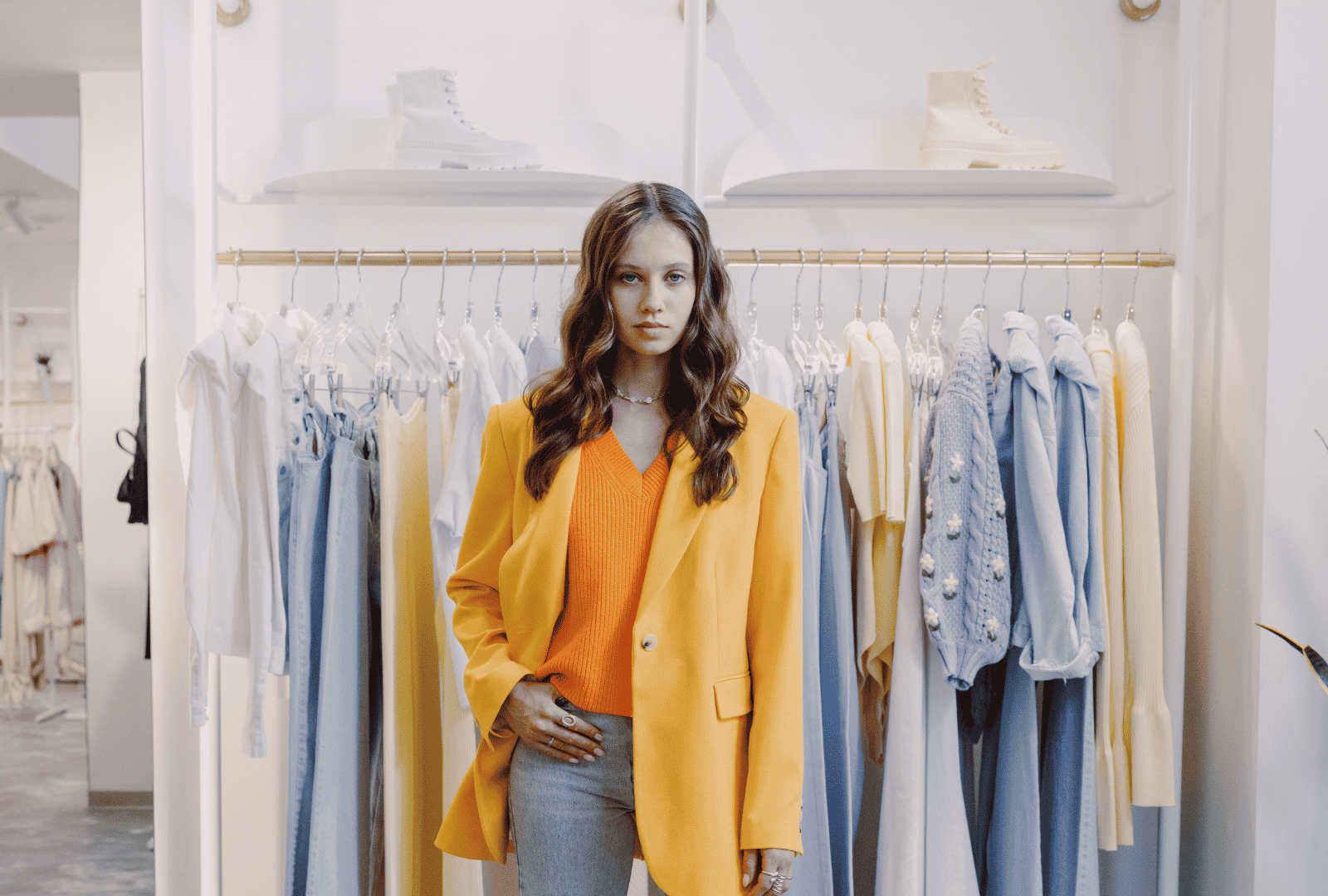
Luxury products need to be displayed in the right environment to maintain their premium image.
Shop-In-Shop & In-Store Requirements
Luxury brands can use dedicated display areas, branded fixtures, and pop-up shop spaces within wholesale stores to help differentiate their offering.
Many also decide to use dedicated sales staff who have been trained to provide the same level of service in their own store inside department store stockists to help further carry on the premium shopping experience.
Digital Merchandising Standards
Similar standards should apply to premium products sold online. Ecommerce retailers should only use images, product descriptions, and brand assets that have been approved by the brand to protect its image.
Brands can also restrict sales on unsuitable third-party marketplaces and control which digital channels wholesale partners use to protect perceived value and pricing consistency.
Monitoring The Gray Market & Protecting Channel Integrity
As wholesale sales grow, products can sometimes end up in unauthorized channels, which can hurt brand value. To combat this, luxury brands can use batch codes, tags, and inventory tracking systems to identify where diverted products originated from.
They can then use this information to ensure wholesale agreements are being honored and issue penalties to any retailer partners engaging in unauthorized resale or stock diversion. Brands cannot just create a contract with a retailer and move on; protecting channel integrity is a constant monitoring process.
How Digital Wholesale Platforms Help Protect Exclusivity at Scale
As the number of wholesale partners grows, managing pricing, product access, allocations, and brand standards becomes more complex.
Fashion wholesale platforms can help brands to quickly and easily control which products each retail partner can view and order, supporting selective distribution strategies, while in-platform inventory and allocation tools help them to enforce distribution rules by limiting access to approved products and quantities.
These platforms also provide visibility into order history and partner performance, helping brands make better distribution decisions.
JOOR helps luxury fashion brands to manage their wholesale relationships and maintain better control over the visibility and exclusivity of their products. To see how JOOR can help your premium brand, request a demo today.
Scale With Discipline, Not Just Ambition
Growing in wholesale does not necessarily have to mean a reduction in exclusivity. When a brand carefully manages partner selection, inventory control, pricing rules, and merchandising standards, expansion can occur without sacrificing perceived brand value.
The most successful brands treat every luxury fashion wholesale distribution decision as a brand decision and understand that ongoing channel monitoring is crucial to protect brand value. Digital wholesale platforms can be a vital tool to help brands manage wholesale growth while still maintaining control over their exclusivity.
FAQs
Is wholesale distribution always a risk for luxury brands?
No, wholesale distribution is not a risk for luxury brands that have a selective distribution strategy in place. By only selling to a select few retailers who have been vetted and who have agreed to Minimum Advertised Price (MAP) policies and merchandising standards, fashion brands can protect their premium image while still enjoying the benefits of wholesale growth.
What is brand dilution in luxury fashion, and how does it happen?
Brand dilution refers to the act of a strong brand image becoming damaged. This can occur in wholesale fashion when premium brands allow any retailer to stock their products without putting any policies or preventions in place to stop unauthorized markdowns, bad merchandising, and overstocking.
How do luxury brands evaluate whether a wholesale partner is right for their brand?
Luxury brands can evaluate whether a wholesale partner is right for their brand by looking at their JOOR profile. Brands can not only read a retailer profile to gain context on a store and its customer base, but they can also see where a retailer has store locations, which other brands on JOOR they stock, how many years they have been ordering on JOOR, and what categories they order. This can help them to make an informed choice about whether they might be a suitable wholesale partner.


Discover the Top 5 Trends in Wholesale for 2026
Related Insights

How to Measure Trade Show ROI: A Complete Guide to Calculating Event Success
Learn the key metrics that will help you determine whether your in-person wholesale activities are a success and discover how to track long-term progress.
.png)
A Lookback on 2025 at JOOR
Reflect on the insights and innovations JOOR brought to the wholesale industry in 2025, from launching a new first-of-its-kind solution to expanding our global network of fashion brands and retailers.

Why Digital B2B Catalogs are Essential for E-Commerce Businesses
Online catalogs have become a crucial component for retailers and their buyers in an evermore tech reliant industry. Read about how these dynamic product libraries act as comprehensive selling solutions that plug into current buying behaviors.

The Digital Flagship: Maintaining Luxury Brand Integrity and White-Glove Service in a B2B Environment
Discover how to deliver a luxury experience online to fashion buyers with immersive technology and personalized wholesale systems.

Communicating a Brand Story Through Digital Wholesale Channels
Learn how to captivate fashion buyers with your fashion brand’s story using digital tools like wholesale linesheets, digital showrooms, and branded content.
%2520(1).avif)
It’s Time to Diversify Your Distribution
When it comes to selling your brand, wholesale isn’t an obstacle, it’s an opportunity. You can boost brand awareness, grow your audience, and increase your margins by making wholesale part of your distribution strategy.