

Wholesale distribution is a key part of the fashion supply chain. This B2B process is an incredibly important part of business to understand, as it can offer many benefits. This guide will help you to learn how distribution really works, the different channels involved, and how to make it a success.
What Is Wholesale Distribution?
Wholesale distribution is a crucial part of the fashion supply chain. After manufacturers have created clothing, based on a brand’s design, distributors are then used to assist in the logistical transportation of goods to retailers.
Wholesale vs Retail - Key Differences

The wholesale fashion distribution process involves brands selling their clothing to retailers, or via fashion distributors who then deliver it to retailers, who in turn sell it to the end consumer, the retail customer.
Wholesale distribution and retail operations work differently:
How Wholesale Distribution Works
The distribution process follows five key steps:
- Sourcing Manufacturers: Distributors will buy in bulk and negotiate the best prices.
- Warehousing & Inventory: They will then store inventory and perform quality checks.
- Order Processing: B2B orders will come in from various retailers.
- Logistics & Delivery: Distributors will then plan the transport and delivery of orders.
- Relationship Management: Throughout the process, distributors manage supplier and retailer relationships.
Types of Wholesale Distribution
There are several different types of wholesale fashion distribution, these include:
Manufacturer Distributors
Some manufacturers also distribute their own products directly to retailers, cutting out the middleman. These types of fashion distributors often require higher MOQs to ensure cost-effective production.
Regional Distributors
These types of distributors sell only within a set geographical area and have a deep understanding of regional trends and demand. They can be a great tool for brands looking to expand into new markets.
Exclusive Distributors
These distributors have contracts with brands that give them exclusive rights to be the sole distributor of their clothing. High brands that want tight control over their brand image often work with these distributors to ensure their perceived value is protected.
General Wholesalers
Not a distributor as such, these intermediaries buy stock from brands and hold it in warehouses to then sell to a wide variety of retailers. This clothing is often white-label and available in pre-packaged bundles.
Wholesale Platforms
B2B wholesale fashion platforms facilitate distribution from brands directly to retail buyers. Buyers can browse collections via virtual showrooms and place orders within the platform using digital line sheets. Some of these platforms charge a commission per sale, whilst others simply charge a monthly membership fee.
Agents
Brokers and agents can help retailers negotiate deals with brands, and they also earn commissions by connecting buyers and brands. Agents are particularly useful for large, infrequent transactions where additional assistance is required.
Showrooms
These distributors operate on behalf of a fashion brand to drive sales. They are highly knowledgeable on fashion trends and markets, and can work to create highly stylized and curated selections for buyers’ boutiques.
Wholesale Channels Explained
There are three different pathways to wholesale fashion distribution, which are often known as wholesale channels.
Direct Wholesale Channel
Wholesale platforms, brand-owned showrooms, and manufacturer distributions are all classed as direct wholesale channels as brands communicate directly with buyers to secure sales. These require brands to handle all logistics and market outreach themselves.
Indirect Wholesale Channel
Agents, brokers, and specialized distributors are classed as indirect wholesale channels as brands are using a third party to sell their products to retailers. They usually include storage, marketing, and shipping costs within the fee they charge brands.
Hybrid Channels
An approach that combines in-person sales via something like a showroom with digital tools such as a B2B marketplace is known as a hybrid channel. Brands will have to choose which elements of the process, e.g., logistics or marketing, to outsource and which to control themselves.
Why Wholesale Distribution Is Critical for B2B Success
Distributors can help brands expand into new markets quickly and cost-effectively without needing to build their own networks. Working with a wholesaler or wholesale platform also allows brands to improve their cash flow, as distributors make bulk orders and, in turn, can offer better credit terms to retailers, reducing financial pressure on brands.
Choosing The Right Wholesale Distribution Partner

Working with a distribution partner that’s aligned with your brand goals is crucial for wholesale success. When trying to find the right partner, be sure to check the following:
- Brand portfolio: Verify if they work with contemporary, luxury, or fast fashion to ensure your brand image is protected.
- Minimum order quantities (MOQs): Ensure they can offer the flexibility you require
- Shipment locations & delivery speed: Assess their logistical efficiency to fulfill your retailer orders
- Pricing & payment terms: Review their margins and retailer credit options
- Industry reputation: Check reviews of their services to find out more about their track record and credibility
The Future of Wholesale Distribution
As the fashion industry expands globally, it continues to digitize its processes, and wholesale distribution is no exception to this.
Brands and retailers are coming to rely more heavily on hybrid distribution models that combine in-person trade shows and showroom visits with online distribution channels like B2B marketplaces, as they allow sales to happen anywhere in the world at any time.
Rapidly changing trends and volatile markets also mean retailers are looking for quicker shipping options and real-time inventory visibility for the most accurate data in order to make better forecasting decisions.
Final Thoughts on Wholesale Distribution
In conclusion, to make sure your fashion brand’s distribution is a success, think about the channel that best suits your business model and can connect you with the right retailers.
Don’t shy away from digitized processes, as they will be crucial to wholesale success in the coming years, and carefully vet any agent, B2B platform, or broker you work with to ensure you are reaching the markets you need to.
FAQs
What is wholesale distribution, and how is it different from retail?
Wholesale distribution in fashion is the process of brands selling clothing to retailers. Retail distribution refers to retailers selling clothes to end consumers, aka customers, online or in stores.
What roles do wholesale distributors play in the supply chain?
Wholesale distributors help to sell a brand’s product to retailers. They act as a middleman between brands and buyers, helping to facilitate bulk orders and agreeable credit terms.
How does wholesale fulfillment benefit retailers?
Wholesale fulfillment allows fashion retailers to outsource storage, packaging, and shipping, and is a cost-effective way to manage large volumes of inventory.


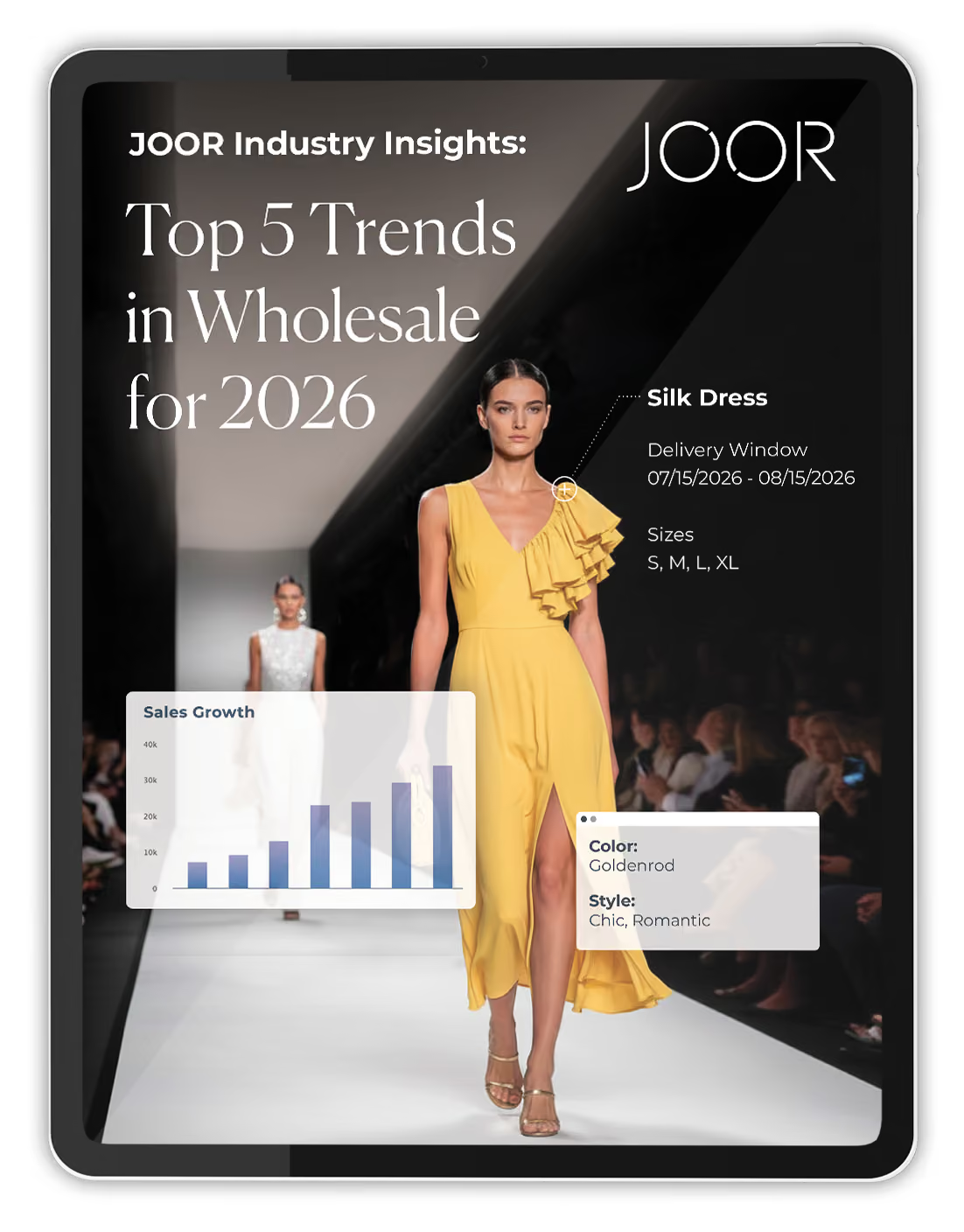
Discover the Top 5 Trends in Wholesale for 2026
Related Insights

How to Measure Trade Show ROI: A Complete Guide to Calculating Event Success
Learn the key metrics that will help you determine whether your in-person wholesale activities are a success and discover how to track long-term progress.
.png)
A Lookback on 2025 at JOOR
Reflect on the insights and innovations JOOR brought to the wholesale industry in 2025, from launching a new first-of-its-kind solution to expanding our global network of fashion brands and retailers.

Why Digital B2B Catalogs are Essential for E-Commerce Businesses
Online catalogs have become a crucial component for retailers and their buyers in an evermore tech reliant industry. Read about how these dynamic product libraries act as comprehensive selling solutions that plug into current buying behaviors.

Top 5 Trends in Wholesale for 2026
Future-proof your fashion business with our wholesale trends forecast. Explore the industry shifts, buying patterns, and brand behaviors we predict will shape the industry in 2026 and learn data-driven industry insights with our free-to-download Wholesale Trends 2026 whitepaper.

Building a B2B E-Commerce Strategy for Wholesale Fashion
Learn how adopting a tailored B2B e-commerce strategy can upgrade your wholesale operations. Discover steps to streamline, meet retailer expectations, and unlock growth opportunities.
.avif)
5 Steps to Move Your Brand from DTC to Wholesale Success
Discover the essential measures brands moving from DTC to wholesale must consider if they want to achieve retail success, including identifying a solid growth strategy, understanding wholesale pricing and creating high-quality line sheets.