.png)

One of the most critical parts of wholesale digitization is having accurate product information. The implementation of a product information management system (PIM) can be transformative in this regard, delivering benefits for both your B2B digital showroom and your entire organization.
What Is a PIM System in Wholesale Fashion?
Product Information Management, also known as a PIM system, is a centralized hub of product data that acts as a single ‘source of truth’ for everyone who engages with a brand’s wholesale business, be that internal members of the brand, retailers, or distributors.
Retail ecommerce PIM systems focus on creating a seamless shopping experience for consumers, while B2B PIM for apparel and fashion is much more technical and focuses on multi-variant, high-volume, catalog-heavy data management.
Why Does Wholesale Need PIM More Than Retail?
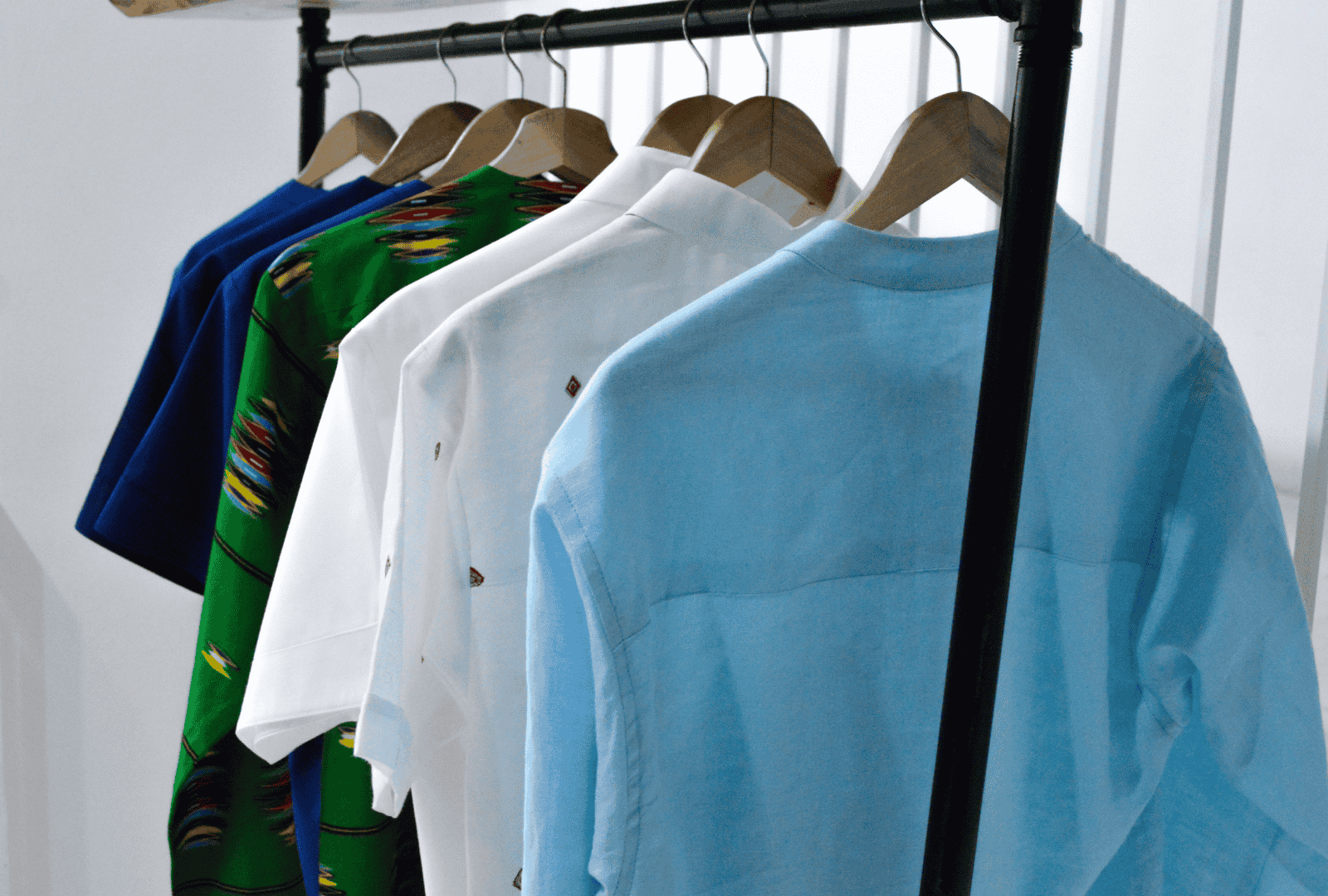
To efficiently run a wholesale business, most brands rely heavily on PIM systems. The brand-buyer business relationship is much more complicated than a retailer-customer relationship, with many additional factors to consider, including varying wholesale and retail prices, packs containing multiple SKUs in varying sizes, and advanced shipping requirements.
Vast amounts of data are much easier to manage, catalog, and automate with fashion PIM software, which can also provide buyers with real-time updates. Being able to provide consistent product information to retailers helps to improve their workflows and helps to build brand trust.
Key Features of Wholesale Fashion PIM
Nearly all PIM systems will include the following features to ensure they can handle the fast-paced data processes required in the wholesale industry:
- Advanced Variant & SKU Management: PIMs will be able to understand and organize parent-child SKU structures, multiple size runs, and differing colorways, for easy organization, aligned product information, and reduced manual data entry.
- Channel-Specific Product Views: PIMs can tailor product data for unique channel requirements, including B2B portals, marketplaces, and different retail partners, allowing collections to be launched quickly and easily.
- Workflow Automation & Approvals: PIMs automate fashion’s seasonal workflows, allowing multiple teams to work together and accounting for buyer-specific approvals in the wholesale process.
- Digital Asset & Content Enrichment: PIMs can hold lookbooks and line sheets in one centralized hub, alongside lifestyle imagery, instructions, and compliance docs.
- Localization & Compliance Management: PIMs make international business easier, translating language, currency, sizing, and regulations in relation to the region a product is being sold in.
How PIM Improves the Wholesale Buyer Experience
Product information management can greatly improve the buyer experience as it allows brands to share accurate product information with them at all times. This reduces the number of order errors buyers make and helps them to make decisions regarding their orders faster.
Having access to consistent product content is also immensely appealing to buyers, as it makes it much easier for them to find the information they need for the relevant touchpoint they require.
Choosing the Right PIM for Wholesale Fashion
When deciding which product information management system to adopt, consider the must-have capabilities your business requires and any integration needs you might have. The main decision you will need to make is choosing between a SaaS PIM and an open-source PIM.
Saas PIMs are usually low-cost and pre-built, making them a great option for smaller or mid-size businesses that don’t have strong tech support within their operations.
Open-source PIMs are most often used by large organizations that have complex needs. These businesses usually have an in-house development team to assist with the implementation and customization of these systems.
Popular PIM for Fashion Businesses
Akeneo: This PIM system includes specialized apps and has been specifically designed with Digital Product Passport global compliance in mind.
Lectra: The Kubix Link PIM leverages 50 years of fashion expertise to coordinate production while data-protecting your supply chain.
Lutech: This PIM system, known as MDM-Product 360, includes product-specific tags so brands can gain predictive consumer insights.
Challenges in Wholesale Fashion Data Management
While PIM for fashion brands is designed to make working with multiple buyers and channels simpler, issues with data silos can still arise due to the number of parties you are working with. Not all businesses may be as streamlined as yours, and errors can still occur.
JOOR helps you to manage your workflow across a large number of retail partners by integrating directly with a brand’s ERP, displaying real-time inventory visibility, and pulling the most accurate data. This avoids issues like overselling, incorrect pricing, or MOQ errors.
Conclusion
Product information management systems are a powerful tool for streamlining workflows, improving efficiency, and upgrading buyer experience. When wholesale fashion companies are ready to scale, PIMs can take their business to the next level.
FAQs
Can PIM handle different size charts for different regions (US vs. UK vs. EU)?
Yes, you can input different clothing sizes from different regions into nearly all PIM systems, and they will be able to convert the information based on the region they are required for.
Is PIM worth it for small wholesale brands?
Many small wholesale brands find a SaaS PIM system to be incredibly beneficial for business, as it allows them to reduce manual data entry, streamline operations so they can work more efficiently, and offer buyers a better ordering experience.
How is PIM different from ERP for wholesale apparel?
Enterprise resource planning systems, known as ERP, are used for logistical operations and inventory control, while product information management systems, known as PIM, deal primarily with product data.
Do fashion wholesalers really need a PIM system?
Many fashion wholesale businesses find PIM systems to be useful as they provide a centralized hub of product information, making it easier to do business and improve the buyer experience.
How does PIM support seasonal fashion collections?
PIM systems ensure that brands can launch seasonal fashion collections to market on time by streamlining the collection and distribution of product data, so new lines can be released quickly.


Discover the Top 5 Trends in Wholesale for 2026
Related Insights

How to Measure Trade Show ROI: A Complete Guide to Calculating Event Success
Learn the key metrics that will help you determine whether your in-person wholesale activities are a success and discover how to track long-term progress.
.png)
A Lookback on 2025 at JOOR
Reflect on the insights and innovations JOOR brought to the wholesale industry in 2025, from launching a new first-of-its-kind solution to expanding our global network of fashion brands and retailers.

Why Digital B2B Catalogs are Essential for E-Commerce Businesses
Online catalogs have become a crucial component for retailers and their buyers in an evermore tech reliant industry. Read about how these dynamic product libraries act as comprehensive selling solutions that plug into current buying behaviors.
.avif)
How Does a B2B Marketplace Work?
Welcome to our comprehensive marketplace guide for fashion businesses. Here, you can find everything you need to know about B2B wholesale marketplaces, from understanding their purpose to how to choose one that best suits your business needs.
.avif)
Why Digital Order Management is Key for Wholesale Fashion
Order digitization is an invaluable tool for fashion businesses looking to unlock wholesale growth. Learn how both brands and retailers are using the latest order management technology to improve efficiency, reduce operational headaches and increase revenue.