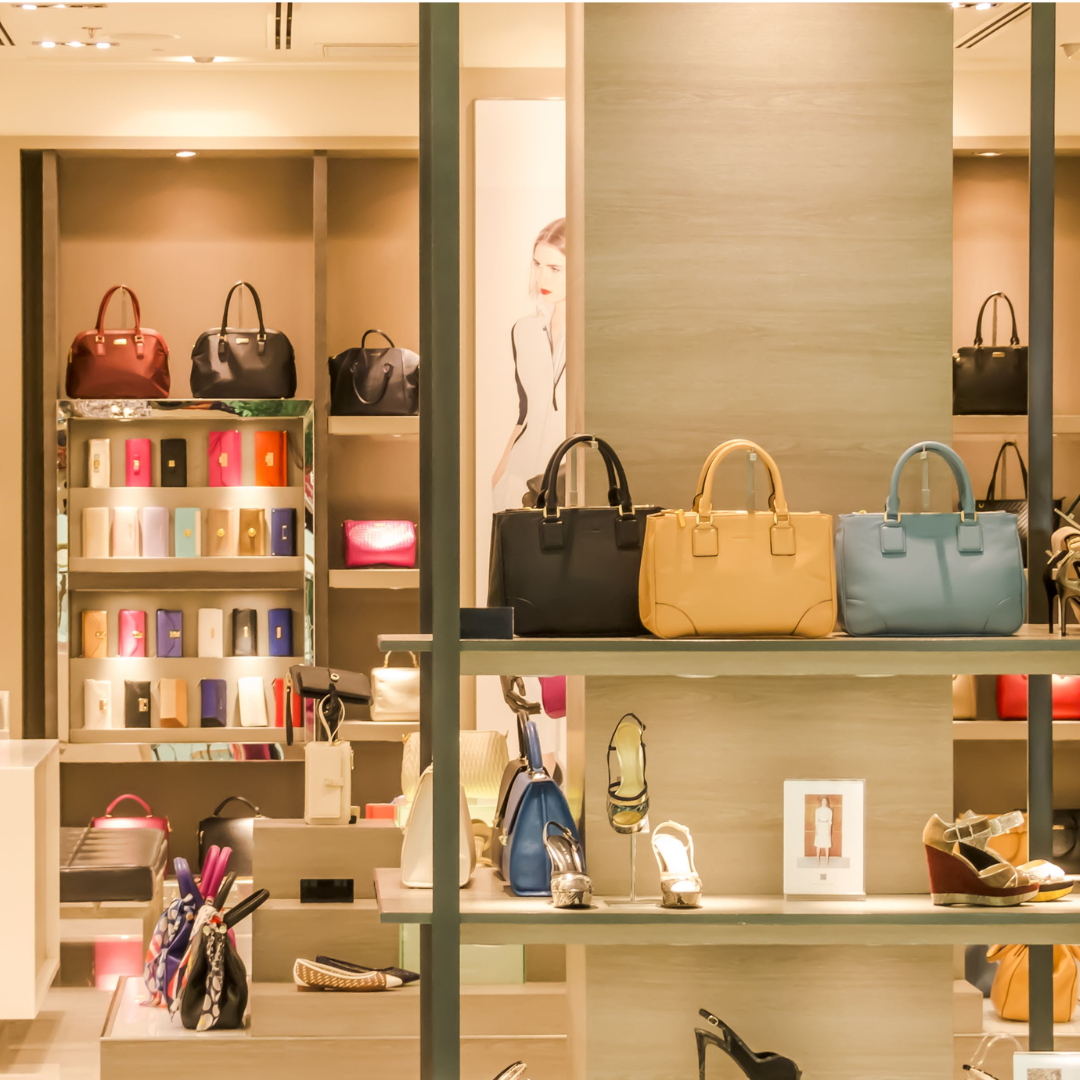

When retailers buy from multiple fashion brands and collections, color and category overlap can occur. Traditional tools like spreadsheets and static PDFs make it difficult to identify overlap early in the buying process, which can lead retailers to experience reduced assortment quality and repetitive products. Color and category overlap can also impact sales and profitability, as an unbalanced assortment can lead to markdowns and missed sales opportunities.
Visual assortment planning helps buyers and merchandisers gain a complete overview across all categories, colors, and delivery timelines before placing an order, helping them avoid overlap and potential sales loss.
This blog will explore what exactly visual assortment planning is and the best ways to use it to create balanced, profitable selections.
What is Visual Assortment Planning?
Visual assortment planning is a method of building out an assortment that relies on visually seeing each product, rather than just relying on a style number or written description.
Traditionally, buyers would just see a list of style names on a spreadsheet, but this method allows retailers to view the complete assortment, similarly to how they would appear in-store or on an ecommerce website.
Retail assortment planning refers to the act of deciding which products and quantities to buy. Visual assortment planning refers to the act of visually reviewing those chosen products to ensure the overall assortment is balanced, consistent, and not repetitive.
Why Color & Category Overlap Happens in Retail Buying
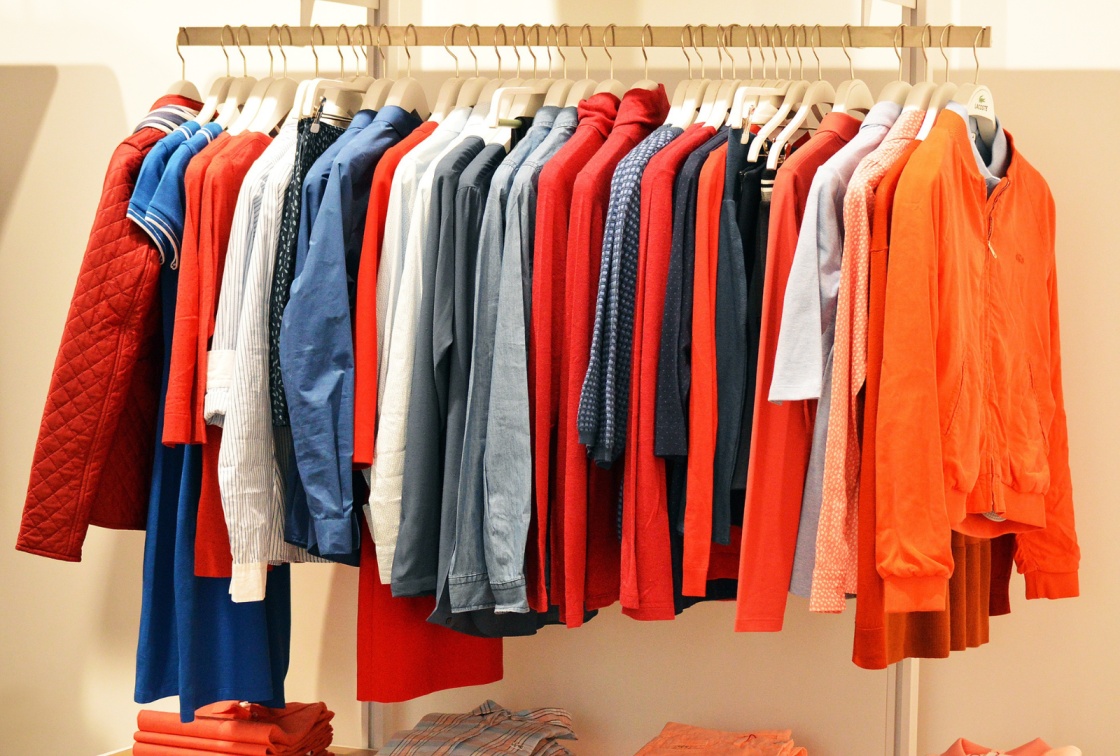
Assortment overlap is a common retail buying challenge. It often happens when buyers place orders across multiple brands without a central view of their existing selections. Without access to connected tools, buyers have to review orders from different brands separately on different spreadsheets.
Color overlap can become an expensive mistake for retailers. If, for example, a buyer purchases two similarly colored denim items from two different brands, this creates internal competition within their assortment, and if one is cheaper than the other, customers may gravitate towards it, causing markdowns for the similar item and loss of profit for the retailer.
Category overlap creates similar issues. If a retailer purchases too many casual dresses, for example, while understocking their formal dress selection, this can lead to loss of sales due to a lack of market capture.
How Visual Assortment Planning Helps Retailers Identify & Prevent Overlap
Visual assortment is an extremely useful tool for buyers that can assist with:
Viewing the Full Seasonal Mix in One Place
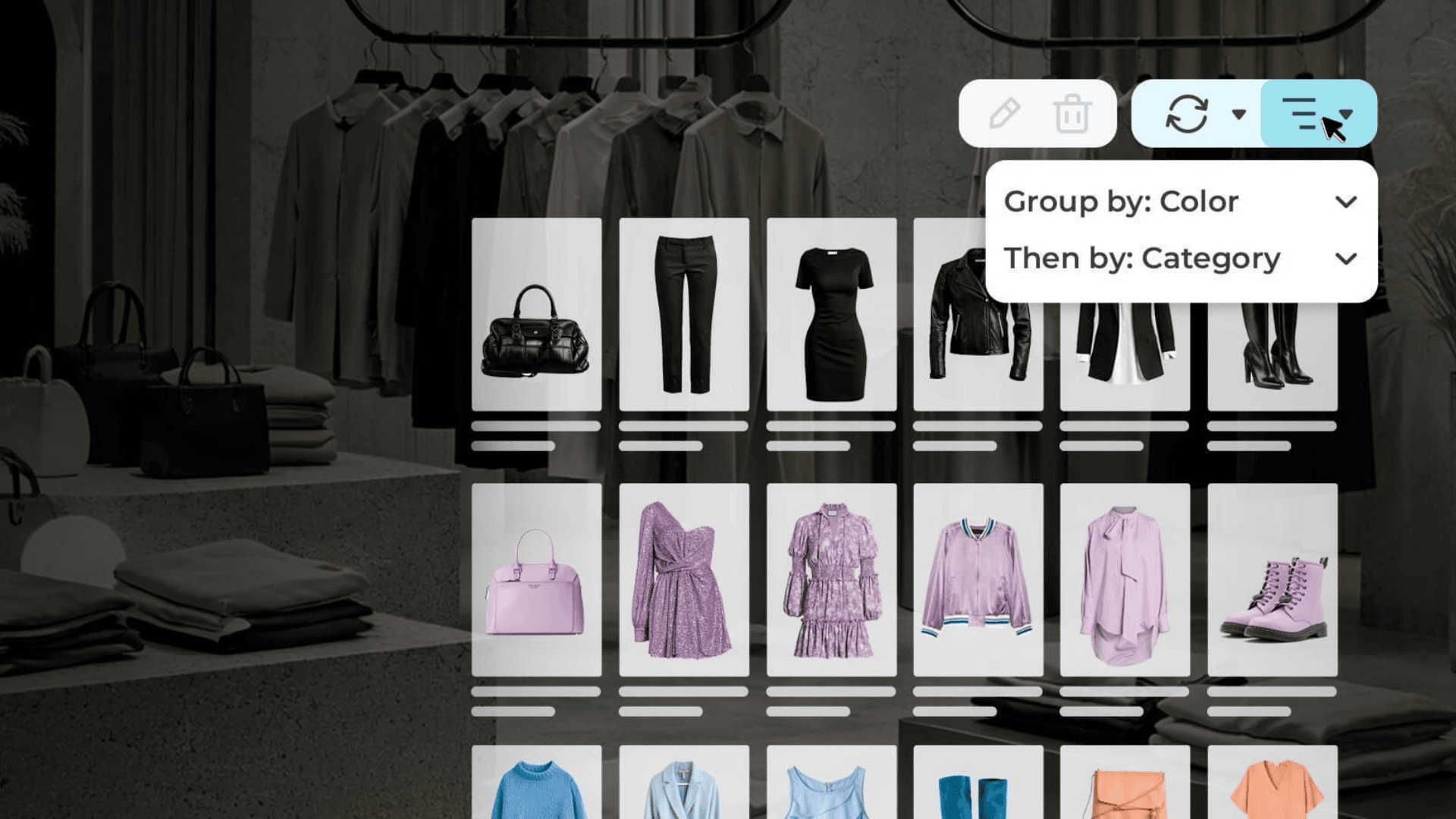
Visual assortment planning tools give buyers a centralized view of all their selected products in one place, organized by category, color, and delivery timelines. This makes it easy to quickly identify overlaps and similar products from different brands that may have been missed when using spreadsheets alone.
Color Story Management Across Vendors
Grouping products by color or palette helps buyers quickly identify if certain shades are overrepresented in an assortment. Visual assortment tools allow buyers to remove repetitive colors before placing an order, so that they can use their budget wisely and create a more balanced product variety.
Category Rationalization & Gap Identification
Visual assortment planning helps buyers spot overlap but also missing spots in their assortment. When they can physically see the amount of product per category, it's easier to identify which they may be overbuying and which is underrepresented.
Store Clustering & Channel-Level Overlap Prevention
Retailers can use visual assortment planning to create different assortments for their different store groups, regions, or sales channels. This helps to prevent similar stock appearing online and in-store and increases the variety of products a retailer carries across its locations.
ERP Integration & Automated Order Processing
Visual assortment tools integrate with ERPs, reducing the amount of manual data entry required by buyers and, in turn, the chances of human error. These integrations speed up order confirmation and fulfilment timelines by allowing buyers to quickly place reorders, which are then processed, confirmed, and sent to the warehouse automatically.
Carry-Forward vs. New-Buy Clarity
Visual assortment planning helps buyers compare previous-season inventory with new selections to avoid overlap and duplication. This supports smarter buying decisions and allows for better use of open-to-buy budgets.
Key Capabilities to Look for in Assortment Planning Tools
Retailers should choose assortment planning tools with strong visual features, not just basic data management. Fashion industry-focused tools usually offer better visual functionality than more general platforms, but key capabilities to look for include:
- Color and category filters: to make spotting overlap easy, so that assortments can remain balanced
- Carry-forward inventory visibility: so that buyers can include oversold pieces from previous seasons into new assortments
- Team collaboration: centralized access allows the entire team to adjust mixes as needed, saving time spent in planning meetings
- Direct order integration: so that all order data is synced, saving time spent on manual data entry
Best Practices for Avoiding Color & Category Overlap in Fashion Buying
To prevent overlap in retail assortments, buyers and planners should follow these simple steps:
- Build the assortment visually first: this allows you to instantly imagine how an assortment might look in-store.
- Set color limits in advance: decide your shade preferences to ensure your assortment remains cohesive and matches seasonal demand. This prevents palette fragmentation or duplication of too many similar colors.
- Check category balance: make sure all categories are represented at the levels you require to meet your specific customer demand.
- Use one centralized planning tool: this allows all members of your team to go in and easily make changes as required.
- Review assortments collaboratively: reviewing assortments from different brands together makes it easier to spot opportunities for cross-selling.
- Use past performance data: this will help you identify which high-margin styles to invest in and which sizes you should be stocking for maximum ROI.
Conclusion
Color and category overlap is a common retail planning challenge that visual assortment planning tools can help solve. Spreadsheets make it difficult to view an assortment quickly, but buyers and planners struggling with this issue can switch to a visual assortment to gain better visibility before budgets are finalized.
JOOR’s visual assortment tool instantly aggregates orders placed with any brand or on any wholesale platform, so that fashion brands and buyers can review selections more clearly. Visual assortment planning on JOOR also allows buyers to review assortments with filters for delivery window, brand, category, or color, so they can focus their analysis on specific segments and stay instantly updated as assortments evolve.
Using this kind of visual planning earlier in the buying process not only reduces redundant purchases, duplications, and overlap, but also lowers markdown risk and creates more balanced assortments.
FAQs
What is visual assortment planning in retail?
Visual assortment planning in retail refers to the process of building out an assortment by visually seeing each product, rather than just relying on a style number or written description.
How does visual assortment planning prevent color overlap?
Visual assortment planning prevents color overlap by making it easy to spot if there are too many similar shades within a selection. Buyers can quickly identify and remove colors that look too similar from their assortment.
What is the difference between assortment planning and visual assortment planning?
Assortment planning refers to the act of deciding which products and quantities to buy. Visual assortment planning refers to the act of visually reviewing those chosen products to ensure an assortment is balanced with a strong product mix.
What does assortment planning software do for fashion retailers?
Assortment planning software with visual capabilities makes it easier for fashion retailers to build selections by physically showing them what a product mix might look like when in store. Getting a visual overview of an assortment makes it easier to spot color and category overlap across buys. Visual assortment software also often allows for collaboration, as they act as a centralized place where different team members can adjust mixes as needed.


Discover the Top 5 Trends in Wholesale for 2026
Related Insights
%2520(2)%2520(1).avif)
8 Ways a B2B Fashion Marketplace Solves Wholesale Scaling Challenges
Learn how a B2B fashion marketplace like JOOR helps your wholesale fashion brand overcome scaling challenges. Maximize resources, build retailer relationships, and enhance distribution to drive growth in the global wholesale fashion market.
%2520(1).avif)
How to Liquidate Excess Clothing Inventory & Unsold Products
Effectively liquidating excess clothing inventory and unsold products in the fashion and clothing industry requires strategic planning, innovative marketing tactics, and efficient inventory management.
%2520(1).avif)
Sustainable Retail: Standardizing Practices for a Thriving Future
What might be the best path forward for sustainable fashion? Standardized sustainability guidelines could be a gamechanger, creating greater efficiency and transparency while growing consumer trust.
What Is Visual Assortment Planning in Wholesale Fashion?
Learn how being able to visualize what an in-store selection could look like can help fashion retailers make better strategic decisions and help drive business growth.
.avif)
A Better Way to Find New Brands
We’ve revamped our Find New Brands page to make it easier to discover top-selling brands. Easily search for the brands you know or use intuitive filters to discover new brands. Stay up-to-date with your latest connection requests and unread messages through our new notification icons pinned to your top navigation bar.
.avif)